
Surgery for urinary lithiasis
Treatment of urinary calculi using modern urological techniques
What is urinary lithiasis surgery?
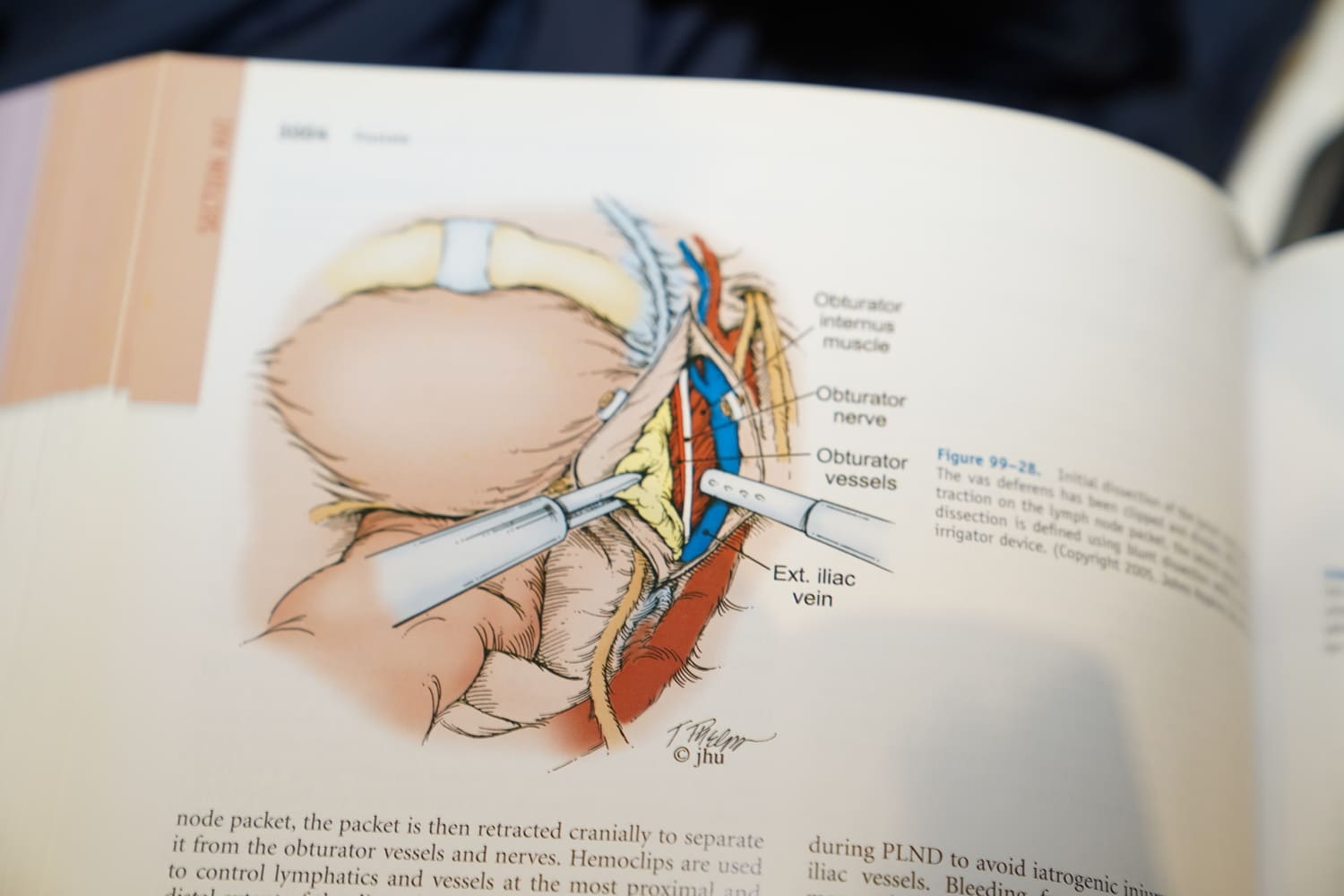
Urinary lithiasis surgery encompasses all techniques used to remove or fragment calculi located in the kidney, ureter or bladder when they cannot be eliminated spontaneously. These procedures are chosen according to the size, location and composition of the stone, as well as the patient’s anatomy.
Dr Sébastien Dominique, urologist in Paris, offers comprehensive, personalized management of urinary lithiasis, with a focus on minimally invasive approaches for rapid recovery and effective results.

What are the main interventions?
✔️ Ureteroscopy (rigid or flexible)
Endoscopic method via the natural route.
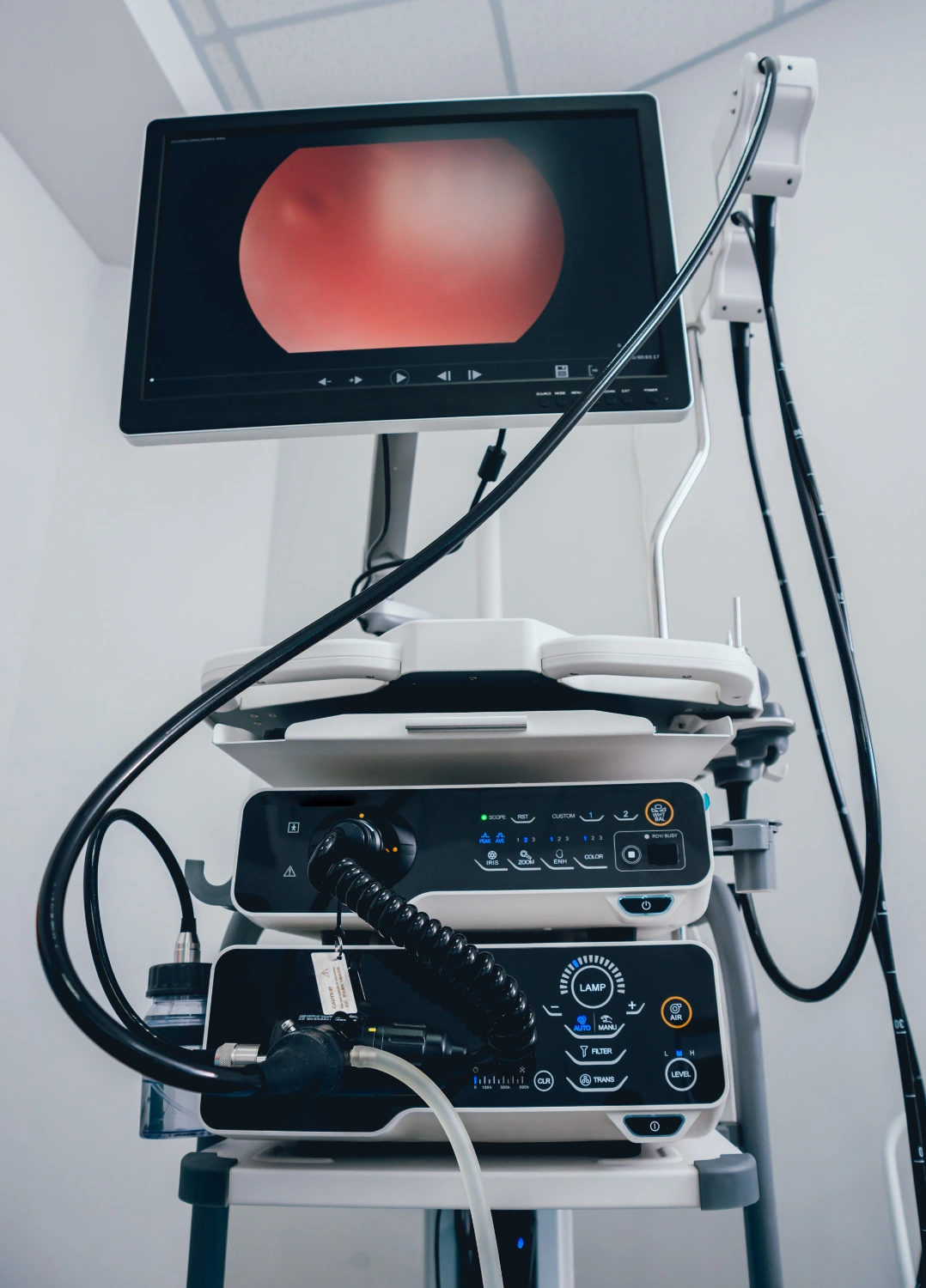
Allows the stone to be visualized, fragmented by laser and removed without incision.
✔️ Laser lithotripsy (Holmium or Thulium)
The benchmark technique for pulverizing urinary calculi, whatever their hardness.
The laser breaks up the stones into very fine particles, which are evacuated naturally or removed by basket.
✔️ Percutaneous nephrolithotomy (NLPC)
Indicated for large or complex kidney stones (> 2 cm).
This involves creating a millimetric access in the flank to reach the stone directly.
✔️ Bladder surgery for bladder stones
Used when bladder stones are too large to be treated by simple endoscopy.
When is surgery required?
Calculi too large to pass spontaneously
-Intense pain or repeated renal colic
-Obstruction of the ureter
-Associated infection or risk of infection
-Failed extracorporeal lithotripsy (ECL)
-Recurrent or very dense calculi
-Unfavorable anatomy preventing other treatments
Advantages of modern techniques
✔️ Minimally invasive approaches, often incisionless
✔️ Rapid recovery and short hospital stay
✔️ Highly effective on most types of stones
✔️ Less post-operative pain
✔️ Precise access to difficult areas of the kidney and ureter
✔️ Low risk of complications when performed by a specialist
After the operation
Depending on the technique used, the after-effects may include:
● moderate discomfort or blood in the urine for a few days
● sometimes the insertion of a ureteral catheter (double J)
● an imaging check to verify the absence of residual fragments
Dr. Sébastien Dominique provides close follow-up to prevent recurrences and optimize long-term care.
Specialist in urinary lithiasis surgery
Dr Sébastien Dominique offers comprehensive, modern and personalized management of urinary calculi, with an emphasis on minimally invasive techniques to optimize results and reduce recurrence.
✔ Calculus analysis and metabolic assessment to understand the origin of lithiasis
✔ Personalized advice on hydration and nutrition
✔ Choice of the most suitable surgical technique (ureteroscopy, laser, NLPC...).
✔ Regular monitoring to prevent recurrence of stones
My journey in video
Find out more about Dr Dominique’s career path and the organization of the practice, designed to provide smooth, safe care for patients suffering from urinary calculi.
Make an appointment
Do you suffer from urinary calculi or want to prevent them from recurring?
Make an appointment with Dr Sébastien Dominique