
Renal colic
Relieve the crisis and treat the cause
Renal colic: causes, symptoms, imaging, treatments, and emergencies. Dr. Dominique explains how to diagnose and relieve this intense pain.
What is renal colic?
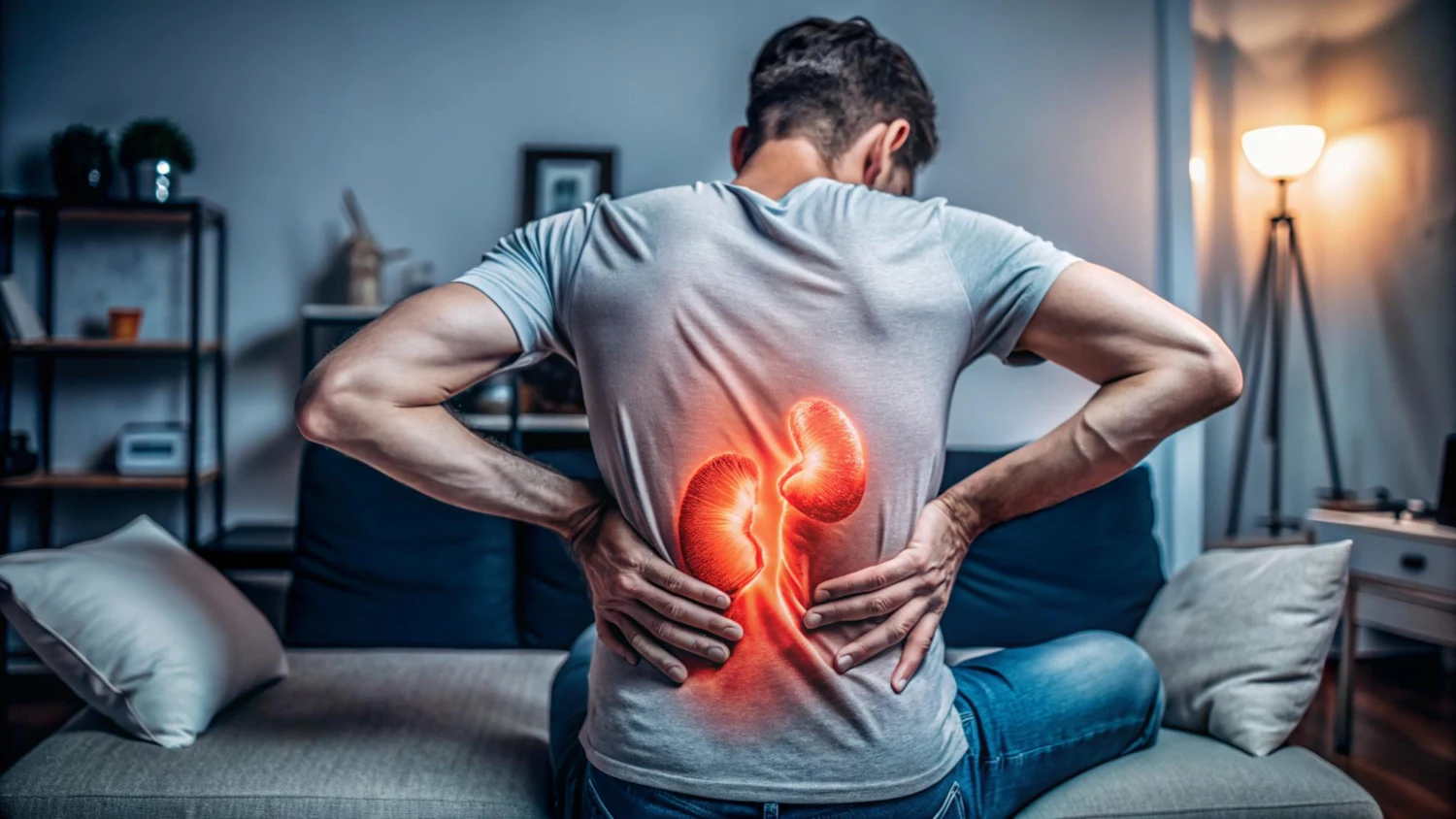
Renal colic is an acute, sudden, and intense pain , most often caused by the migration of a kidney stone (urolithiasis) that blocks the flow of urine, usually in the ureter. It is a common urological emergency requiring rapid diagnosis and appropriate management to relieve pain and prevent complications. Dr. Sébastien Dominique , a urological surgeon in Paris, manages renal colic at all stages, from diagnosis to treatment, including in cases of complications or recurrence.
Warning signs
Expertise
Academic background

Diagnosis of renal colic
Management of renal colic
Experience
Kidney stones: why do they always happen at the worst possible time? | Dr. Sébastien Dominique


Prevention of relapse
Renal colic can recur. Preventive management is therefore essential:
- Metabolic assessment (blood and urine analysis) to look for a cause contributing to the formation of kidney stones
- Dietary advice tailored to the patient’s profile
- Abundant hydration (> 2 liters of water per day)
- Limiting salt, animal protein, and sodas
- Avoid excess or deficiency of dietary calcium
- Drug treatment if necessary (citrates, thiazides, etc.)
Dr. Sébastien Dominique also provides this long-term follow-up to reduce the risk of recurrence.
When should you seek emergency medical attention?
My journey
Let me introduce you to my background, my expertise in urology and the methodical way in which I support each patient, from the first consultation to personalized follow-up.
Are you suffering from kidney stones?
The practice handles urological emergencies, particularly renal colic. Don’t wait for the pain to become chronic before seeking medical help. Urology Practice Paris Opéra – Paris 17th Arrondissement. In-person or telehealth consultations available. Book your appointment today.
FAQ – Frequently Asked Questions
How to recognize renal colic?
It is a sudden and very intense lower back pain, radiating towards the groin and genitals, occurring in attacks, without any position providing pain relief. It is often accompanied by nausea and characteristic restlessness.
What to do in case of a crisis?
Take an anti-inflammatory (if there are no contraindications), limit fluid intake during the attack—contrary to popular belief—and consult a doctor promptly. A CT scan will confirm the diagnosis and locate the kidney stone.
When is renal colic an emergency?
In case of fever (risk of pyelonephritis due to obstruction, potentially serious), pain resistant to analgesics, single kidney, renal failure or pregnancy: you must then consult the emergency room without delay to drain the kidney if necessary.
How to prevent recurrences of renal colic?
Drink at least 2 liters of water throughout the day, adjust your diet (limit excess salt and protein), and have a metabolic assessment with gallstone analysis to target prevention. Without prevention, the risk of recurrence is approximately 50% within 5 years.
Dr Sébastien Dominique's expertise
Chirurgien Urologue à Paris

Renal colic: there are solutions.